The D.B. Cooper Hijacking
The only unsolved air piracy in American commercial aviation history — the ransom, the parachutes, the jump, and the $20 bills that turned up nine years later.
Source: Federal Bureau of Investigation
A ransom note on a nursery windowsill, a two-year hunt that ran on gold certificates, and a case that changed federal law in the United States.
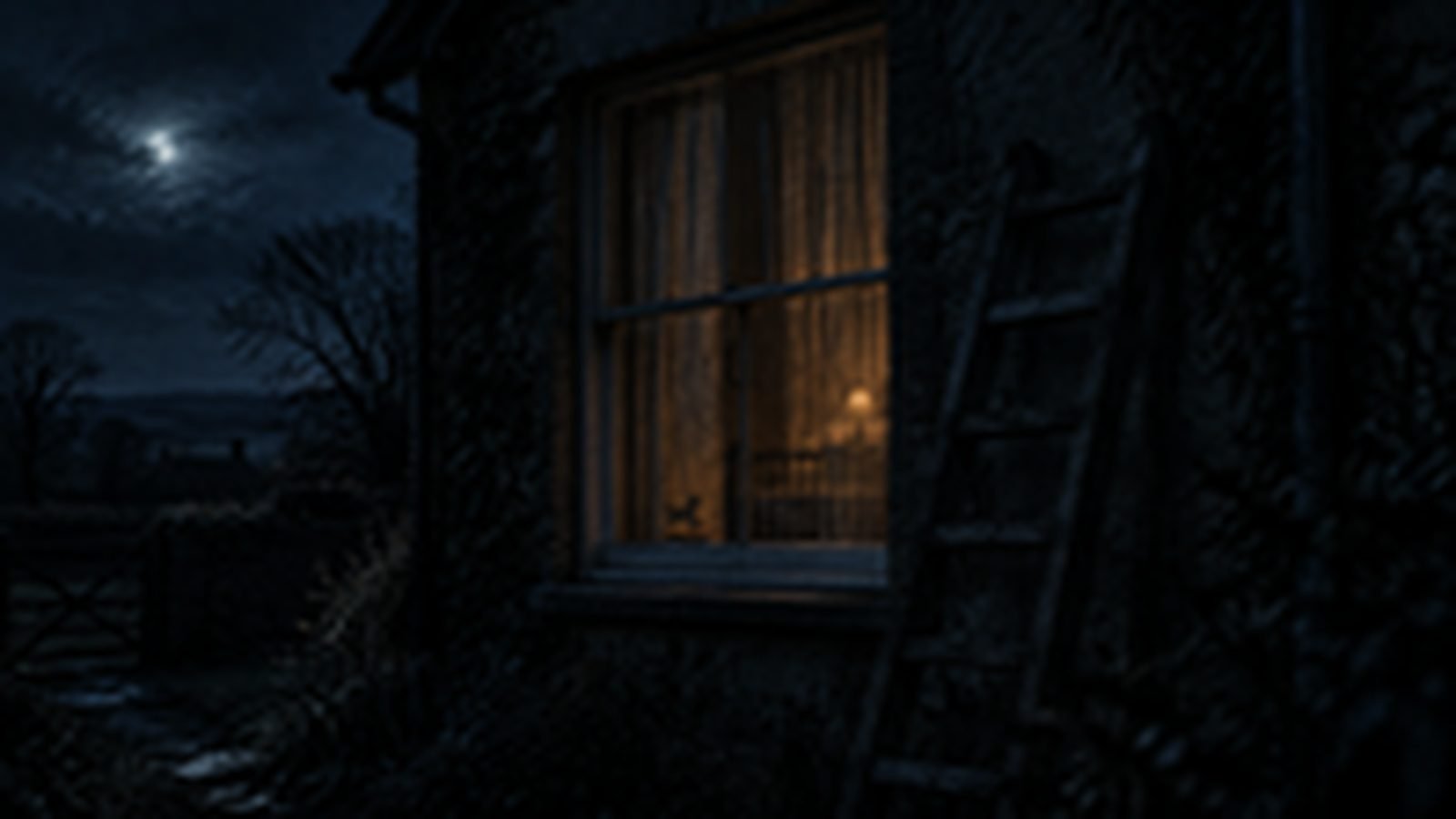
On the night of 1 March 1932, the twenty-month-old son of aviator Charles Lindbergh was taken from the nursery of the family home near Hopewell, New Jersey. A ransom note had been left behind. The child was the most famous baby in America; his father had flown the Atlantic alone five years earlier.
What followed was one of the largest investigations in American history to that point, and one of the slowest. It would take more than two and a half years to put a name to the man who climbed the ladder.
The FBI's account records that on 12 May 1932, the body of the kidnapped child was found by accident, partly buried and badly decomposed, not far from the Lindbergh home. By then a ransom had already been paid, in a Bronx cemetery, to a man who was never properly seen.
The ransom bills could be recognised, and for two years that was the only thread. Each one that surfaced was a marker, and the markers were followed.
The break came on 15 September 1934. According to the FBI, an alert gas station attendant received one of the ransom bills in payment for five gallons of petrol. He noted the car's licence number. That number led investigators to Bruno Richard Hauptmann, a carpenter, who was arrested four days later.
Hauptmann was tried in Flemington, New Jersey. On 13 February 1935 the jury returned its verdict: guilty of murder in the first degree. He was sentenced to death, and the sentence was carried out in 1936.
The FBI notes that the crime hastened the passage of the bill that became known as the "Lindbergh Law", which gave the Bureau authority to investigate kidnappings where the victim was believed to have been carried across state lines. The Bureau's own laboratory, then new, counts this among its first major cases.
Everything above is drawn from the FBI's published case history, linked below. Where the record is silent — on the full sequence of the ransom negotiations, or on questions later raised about the trial — this article is silent too.
Primary = the investigating or custodial authority's own published record. Links open in a new tab. Last checked 11 November 2026.
The only unsolved air piracy in American commercial aviation history — the ransom, the parachutes, the jump, and the $20 bills that turned up nine years later.
The National Archives at Kew holds the surviving Scotland Yard files on the 1888 Whitechapel murders. Here is what is in them, reference by reference.
From the Stringybark Creek killings to the Glenrowan siege and the capital case file — what the Victorian Government's own records say about Edward Kelly.